
Hip Arthroplasty (Hip Replacement)
Comprehensive information about hip replacement surgery, recovery, and expected outcomes
What is Hip Arthroplasty?
Hip arthroplasty, commonly known as hip replacement surgery, is a surgical procedure where the damaged portions of the hip joint are removed and replaced with artificial components called prostheses. These prosthetic parts replicate the natural function of the hip, relieving pain and improving mobility for patients suffering from various hip conditions.
The hip joint is a ball-and-socket joint where the ball-shaped head of the femur (thigh bone) articulates with the acetabulum (socket) of the pelvis. In a total hip replacement, both the ball and socket components are replaced with prosthetic parts.
When is Hip Replacement Needed?
Hip replacement surgery is typically recommended when hip pain and functional limitations significantly affect a patient's quality of life and conservative treatments have not provided adequate relief. Common conditions that may lead to the need for hip replacement include:
Osteoarthritis
The most common cause for hip replacement, osteoarthritis involves the wearing away of joint cartilage, leading to pain, stiffness, and reduced mobility.
Rheumatoid Arthritis
An inflammatory condition where the immune system attacks the synovial membrane, causing pain, inflammation, and eventual damage to the cartilage and bone.
Avascular Necrosis
A condition where the blood supply to the femoral head is disrupted, leading to bone cell death and eventual collapse of the hip joint.
Hip Fractures
Severe fractures of the femoral head or neck may necessitate hip replacement, particularly in older adults with underlying osteoporosis.
Types of Hip Replacement
There are several approaches and techniques for hip replacement surgery. Dr. Nabeel Mahomed specializes in various techniques and will recommend the most appropriate option based on your specific condition, age, activity level, and overall health.
Total Hip Replacement
Both the acetabulum (socket) and the femoral head (ball) are replaced with prosthetic components. The socket is typically made of metal with a plastic liner, while the femoral component consists of a metal stem inserted into the thigh bone with a metal or ceramic ball that replaces the femoral head.
Partial Hip Replacement
Also known as hemiarthroplasty, only the femoral head is replaced with a prosthetic component, while the natural socket is preserved. This procedure is commonly performed for certain types of hip fractures.
Hip Resurfacing
Rather than removing the entire femoral head, it is reshaped and capped with a metal covering. The damaged socket is still replaced with a prosthetic component. This option may be suitable for younger, more active patients with good bone quality.
Revision Hip Replacement
A procedure to replace a previous hip implant that has worn out, become loose, or developed complications. Revision surgery is typically more complex than primary hip replacement.
The Surgical Procedure
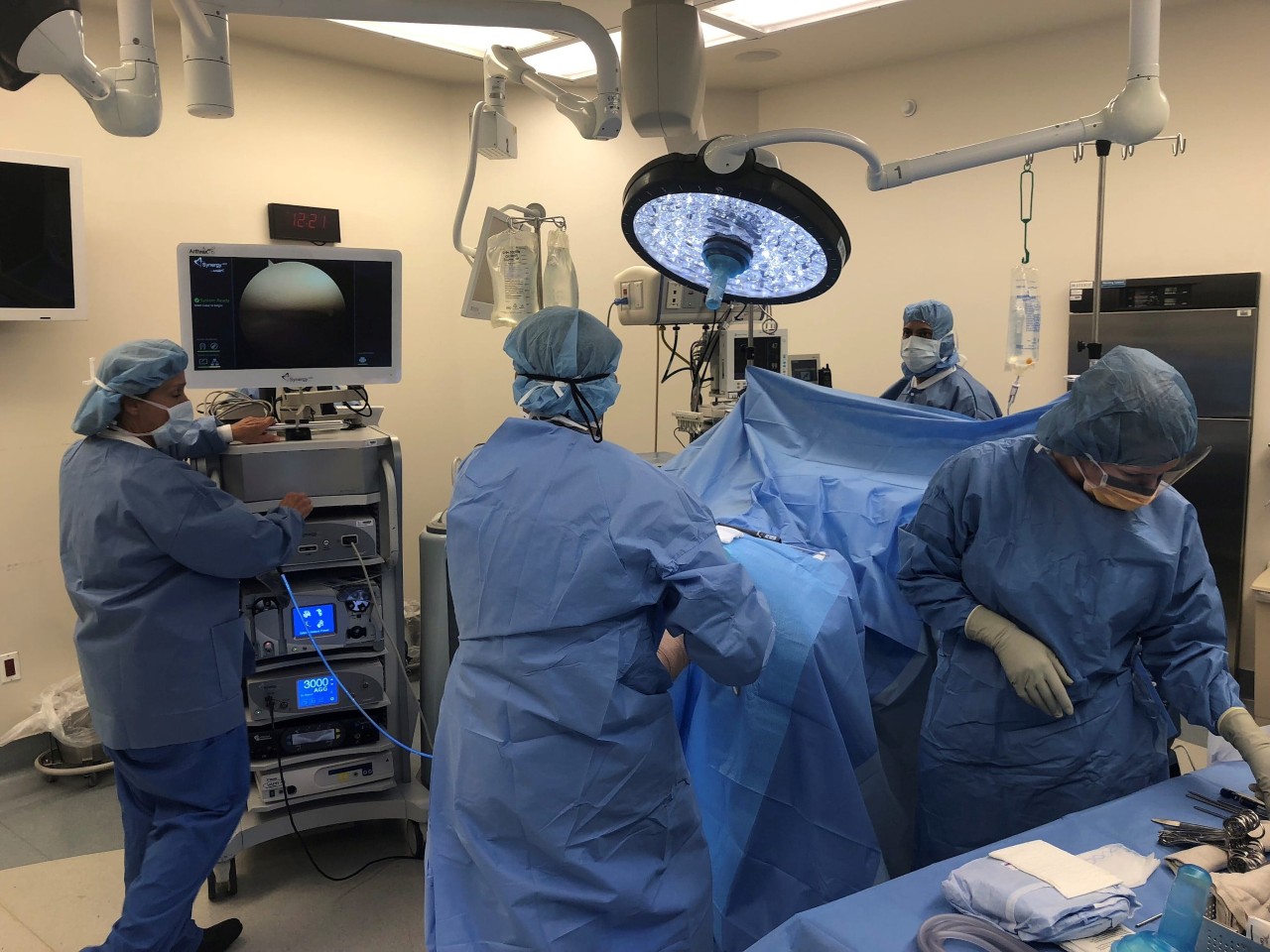
Hip replacement surgery is usually performed under spinal or general anesthesia and typically takes 1-2 hours. The surgical approach may vary based on the patient's specific condition and the surgeon's expertise.
Dr. Mahomed specializes in various surgical approaches, including:
- Posterior Approach: The incision is made at the back of the hip, providing excellent exposure of the joint without cutting through major muscles.
- Anterior Approach: The incision is made at the front of the hip, potentially allowing for a faster initial recovery as no muscles are cut.
- Lateral Approach: The incision is made on the side of the hip, offering good visibility of the joint while minimizing the risk of dislocation.
During the procedure, the damaged femoral head is removed and replaced with a metal stem inserted into the hollow center of the femur. The stem may be either cemented or press-fit into the bone. A metal or ceramic ball is then placed on the upper part of the stem to replace the femoral head. The damaged cartilage surface of the socket is removed and replaced with a metal socket, which is typically secured to the bone with screws or cement. A plastic, ceramic, or metal spacer is inserted between the new ball and socket to allow for smooth gliding.
Recovery and Rehabilitation
Recovery from hip replacement surgery varies from patient to patient but typically follows this general timeline:
Hospital Stay
Most patients stay in the hospital for 1-3 days after surgery. During this time, pain management begins, and you'll work with physical therapists to learn how to move safely with your new hip.
Early Recovery (0-6 weeks)
You'll begin using walking aids like a walker or crutches. Physical therapy focuses on basic exercises to strengthen the hip and restore movement. Most patients can resume light activities and driving within 4-6 weeks.
Intermediate Recovery (6-12 weeks)
Walking aids are typically phased out as strength improves. Physical therapy advances to more challenging exercises. Many patients return to work and low-impact activities during this period.
Long-term Recovery (3-12 months)
The new hip joint continues to strengthen. Most patients can resume normal activities, including swimming, cycling, walking, and golf, by 6 months. High-impact activities may be restricted long-term to prolong implant life.
Physical therapy is a crucial component of recovery from hip replacement surgery. Dr. Mahomed and his team will design a personalized rehabilitation program to help you regain strength, flexibility, and function in your new hip joint.
Potential Risks and Complications
While hip replacement surgery is generally safe and effective, like any major surgery, it carries some risks. These may include:
- Infection at the incision site or around the prosthesis
- Blood clots in the leg veins or lungs
- Dislocation of the new hip joint
- Fracture of the bone during or after surgery
- Change in leg length
- Loosening or wear of the prosthetic components over time
- Nerve or blood vessel injury
Dr. Mahomed and his team take numerous precautions to minimize these risks, including the use of antibiotics, blood thinners, and careful surgical technique. You will also receive detailed instructions on how to reduce risks during your recovery period.
Long-term Outcomes and Expectations
Hip replacement surgery is one of the most successful orthopedic procedures, with high patient satisfaction rates. Most patients experience significant pain relief and improved mobility following surgery, allowing them to resume many activities they previously avoided due to hip pain.
Modern hip implants are designed to last 15-20 years or longer, though this can vary based on factors such as activity level, weight, and overall health. Younger, more active patients may eventually require revision surgery if their implant wears out during their lifetime.
To maximize the longevity of your hip implant, Dr. Mahomed may recommend:
- Maintaining a healthy weight to reduce stress on the joint
- Avoiding high-impact activities such as running or jumping
- Participating in regular low-impact exercise like swimming, cycling, or walking
- Attending follow-up appointments to monitor the condition of your implant
Frequently Asked Questions
How do I know if I need a hip replacement?
If you experience persistent hip pain that limits daily activities, difficulty walking, pain that persists even when resting, stiffness limiting leg movement, or failed conservative treatments like medication or physical therapy, you might be a candidate. Dr. Mahomed will conduct a thorough evaluation including physical examination, medical history review, and imaging studies to determine if hip replacement is appropriate for you.
What is the recovery time for hip replacement surgery?
Most patients can walk with assistance the day after surgery and return home within 1-3 days. Many resume light activities and driving within 4-6 weeks. Full recovery typically takes 3-6 months, though this varies based on age, overall health, and adherence to physical therapy protocols.
Will I set off metal detectors with my hip replacement?
Some hip implants may trigger airport security alarms. If this concerns you, inform security personnel about your implant before screening. You can request a TSA agent business card confirming your hip replacement, though formal medical cards or documentation are not typically needed.
How long will my hip replacement last?
Modern hip implants typically last 15-20 years or longer. Factors affecting longevity include activity level, weight, surgical technique, implant materials, and overall health. Younger and more active patients may eventually need revision surgery if their implant wears out during their lifetime.
What activities can I do after hip replacement?
Most patients can return to low-impact activities like walking, swimming, cycling, golf, and dancing. Dr. Mahomed typically recommends avoiding high-impact activities such as running, jumping, and contact sports to maximize implant longevity. Specific recommendations will be tailored to your individual case.
Ready to Discuss Your Hip Treatment Options?
If you're experiencing hip pain or have been considering hip replacement surgery, Dr. Nabeel Mahomed and his team are here to help. Schedule a consultation to discuss your symptoms, evaluate your condition, and develop a personalized treatment plan.
Book Your Consultation Today